Sustainable Packaging
In our exploration of sustainable packaging, we consistently focus on the balance between packaging performance and environmental impact. By optimizing material selection, structural design, and production processes, we are committed to creating more eco-friendly and efficient packaging solutions. While meeting product protection, transportation, and usage requirements, we help customers reduce resource waste and drive the industry toward a more sustainable future.
Why Use Sustainable Packaging
Packaging protects food, extends freshness, reduces transportation losses, and also leaves long-term impacts after fulfilling its mission. As a flexible packaging manufacturer, we understand that our responsibility goes beyond producing a reliable packaging bag. It also involves carefully considering each material selection, every production process, and the final destination of the packaging after use.
From reducing unnecessary material usage to exploringRecyclable, Biobased, and CompostableSolutions: From the classification of production waste film and treatment of printing exhaust gases, to product safety, employee health, and standardized production, we are implementing environmental and social responsibilities in every aspect of packaging manufacturing.
We don’t believe any single material can solve all problems. A truly responsible choice is to find a more reasonable, clear, and verifiable lifecycle path for each packaging, based on product protection requirements, sales markets, and local disposal conditions.
Treasure nature, for we belong to nature and depend on it.
—— David Attenborough
From a single choice, to a complete lifecycle
We approach packaging sustainability from four directions: reduction, recycling, renewable sources, and reasonable end-use, to minimize long-term environmental impact while protecting the product.
Reduce unnecessary materials
Reduce material usage through structural thinning and dimensional optimization while meeting requirements for barrier properties, strength, and shelf life.

Reduce reliance on fossil resources
Evaluate plant-based and bio-based materials according to product requirements to reduce fossil raw material usage while maintaining packaging performance.

Establish material recycling pathways
Prioritize the evaluation of structural designs such as Mono PE and Mono PP that are recyclable, and explore the application of recycled materials.

Match appropriate post-use pathways
Assess recycling, reprocessing, or composting options under specific conditions based on packaging structure and local processing capabilities.
Recyclable Material Packaging
By reducing incompatible material combinations, we prioritize evaluating single-material structures such as Mono-PE, MDO-PE/PE, and Mono-PP, establishing clearer recycling pathways for packaging while meeting barrier, sealing, and transportation requirements.
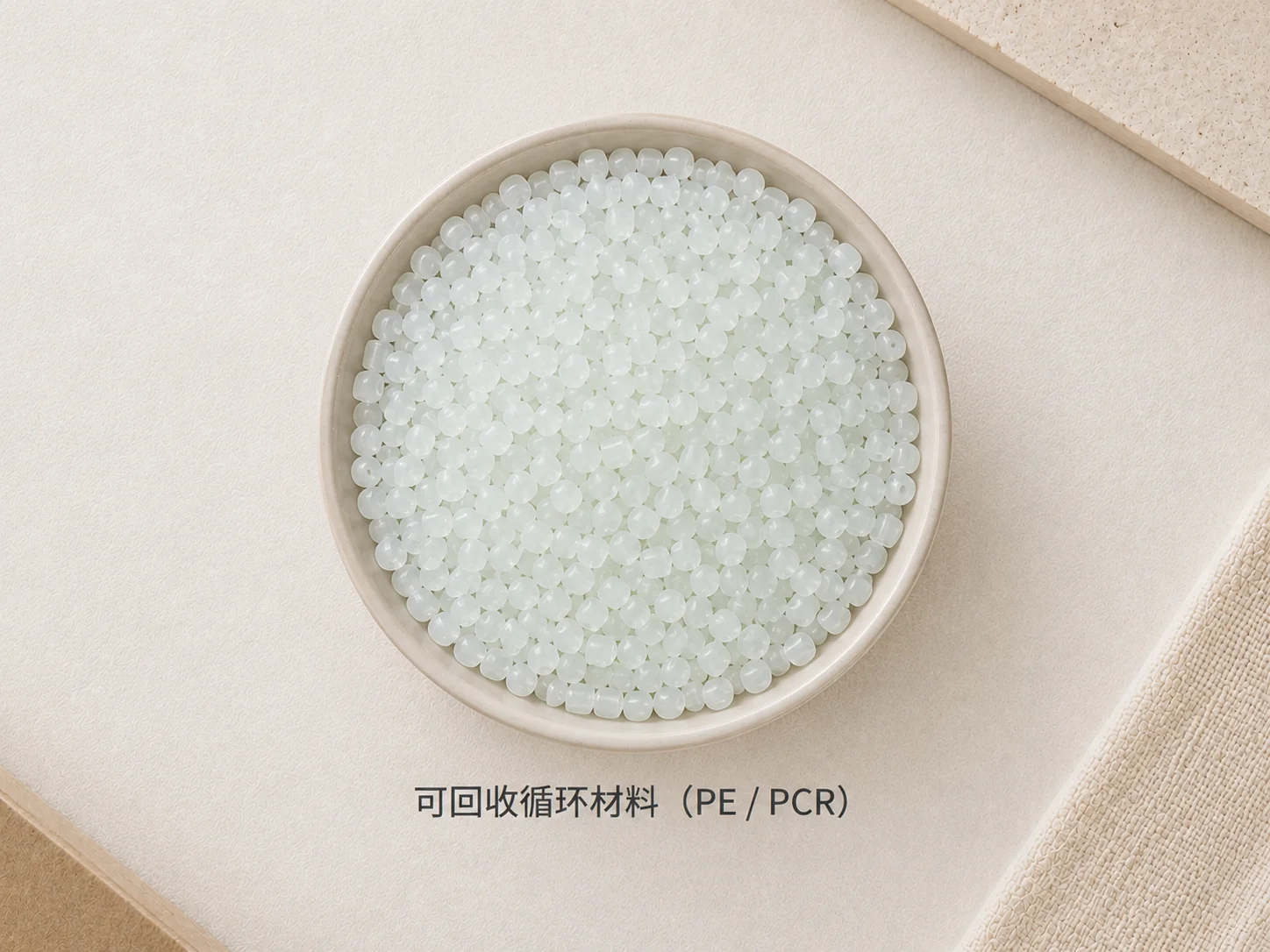
We can also provide PCR recycled material solutions based on product usage, reducing the use of virgin plastic. Actual recyclability, PCR content, and food contact suitability must be confirmed in combination with the complete packaging structure, target market regulations, and local recycling conditions.
Biobased Materials
Bio-based packaging replaces part of the fossil fuel-derived raw materials with plant or other renewable resources, maintaining the performance of flexible packaging in terms of barrier properties, sealing, printing, and bag forming, while helping brands reduce their reliance on virgin petroleum resources.
Applicable to food, coffee, nuts, pet food, and personal care packaging. “Biobased” refers to the source of the material and does not imply that the packaging can automatically degrade. The specific biobased content should be based on material declarations or test results.
Compostable materials
We offer material solutions that can be transformed by microorganisms into water, carbon dioxide, and biomass under specified composting conditions, suitable for entry into an organic waste treatment system.
Suitable for packaging of tea, coffee, and some food products. The conditions for industrial composting and home composting differ. Whether inks, adhesives, zippers, and valves are applicable should be determined based on the actual certification scope of the materials or the complete packaging.
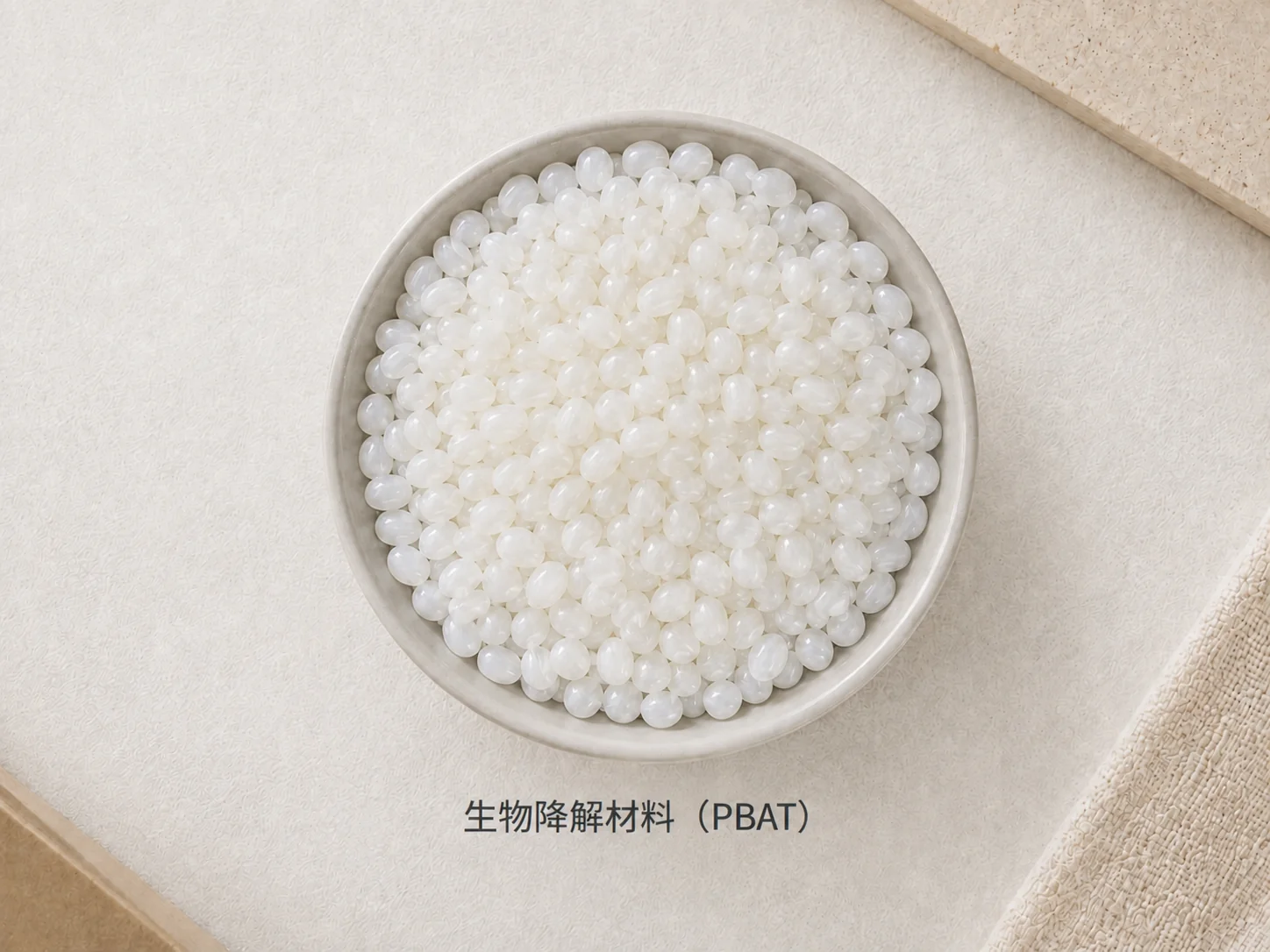
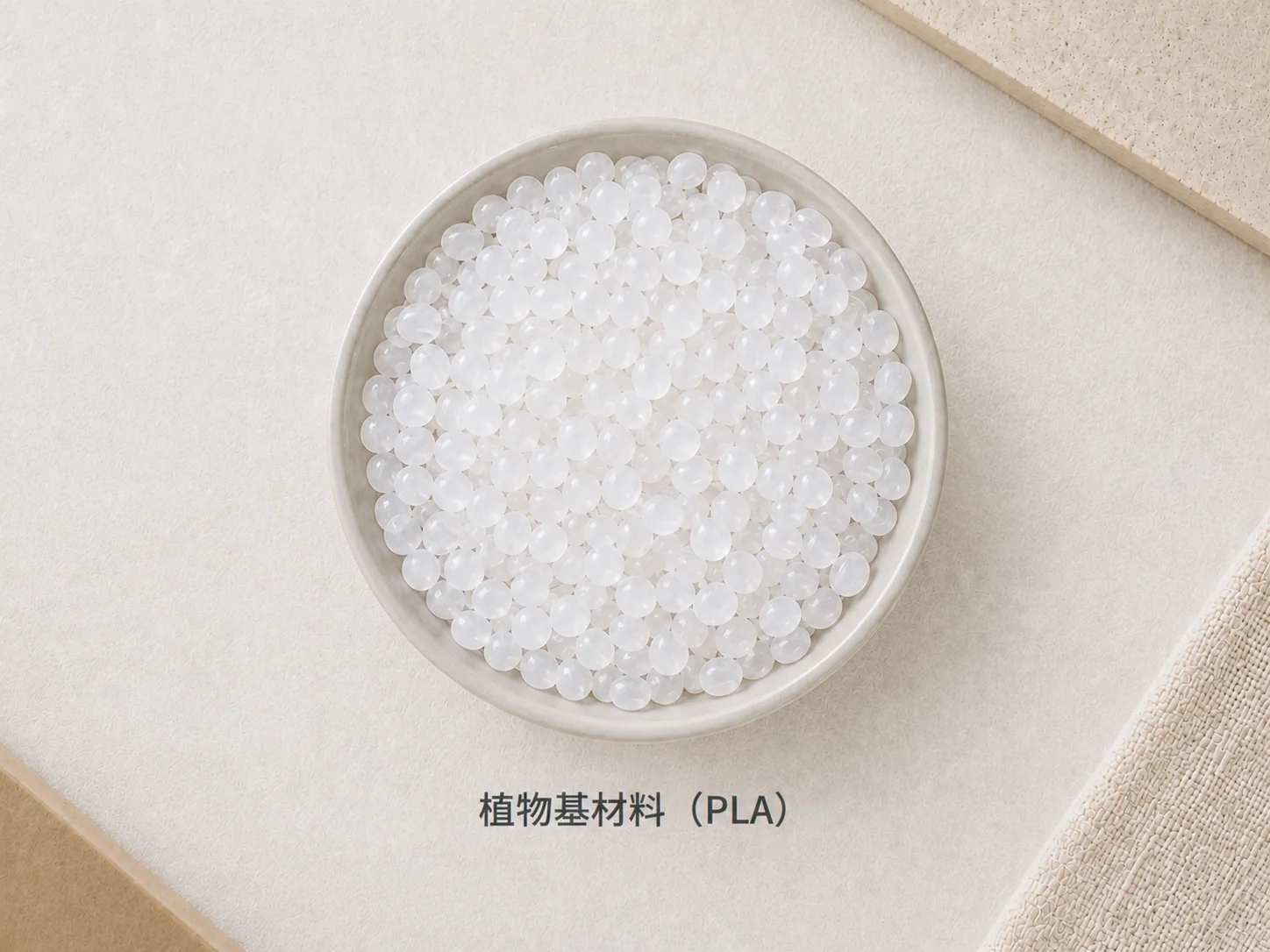
We offer a variety of green raw material solutions, including PE/PCR recyclable materials, PLA plant-based materials, and PBAT biodegradable materials. By integrating resource recycling, plant regeneration, and biodegradable technologies, combined with scientifically designed flexible packaging structures, we meet product protection requirements while promoting packaging toward a more environmentally friendly and circular direction.
Sustainable Packaging Case Studies
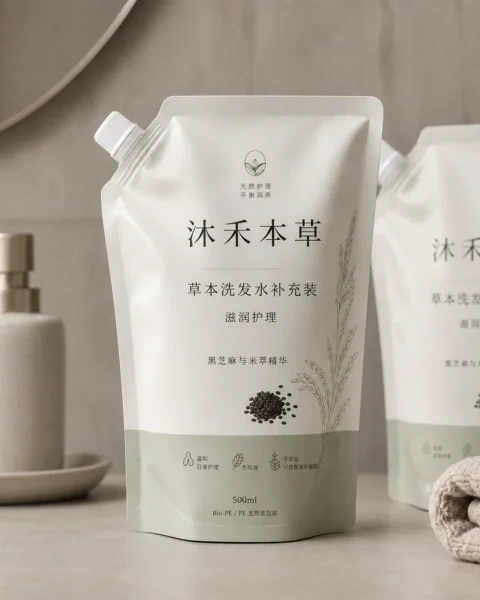
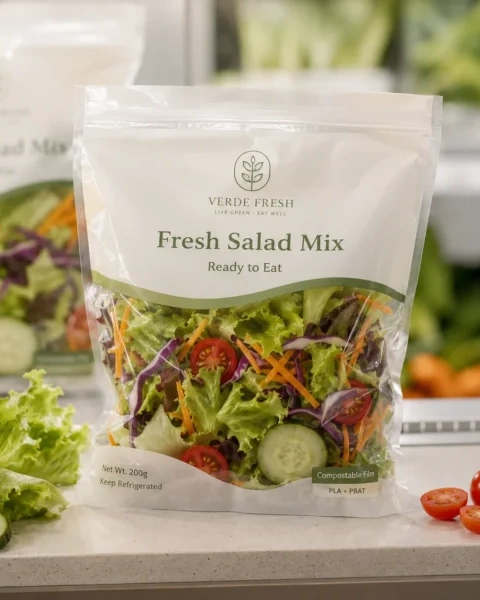
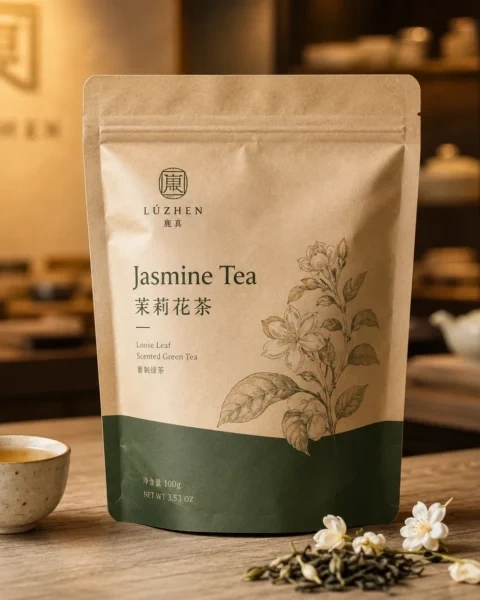
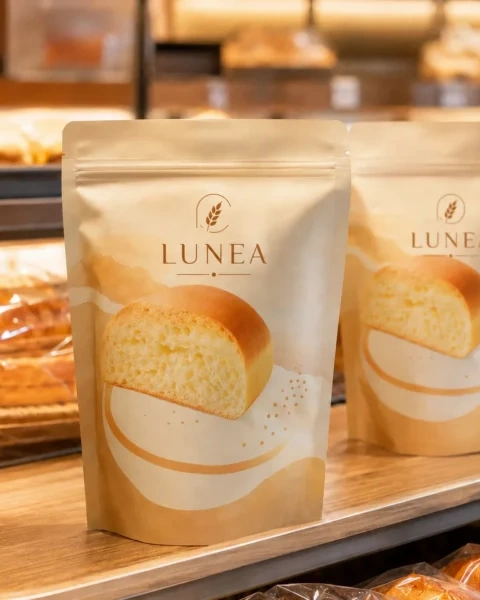
Sustainable packaging does not mean changing the way the product is presented. Packaging can still maintain its functionality through the application of new material structures and eco-friendly materials.Maintain the same appearance, texture, print effect, and functional performance as traditional packagingWhile reducing long-term environmental impact.