




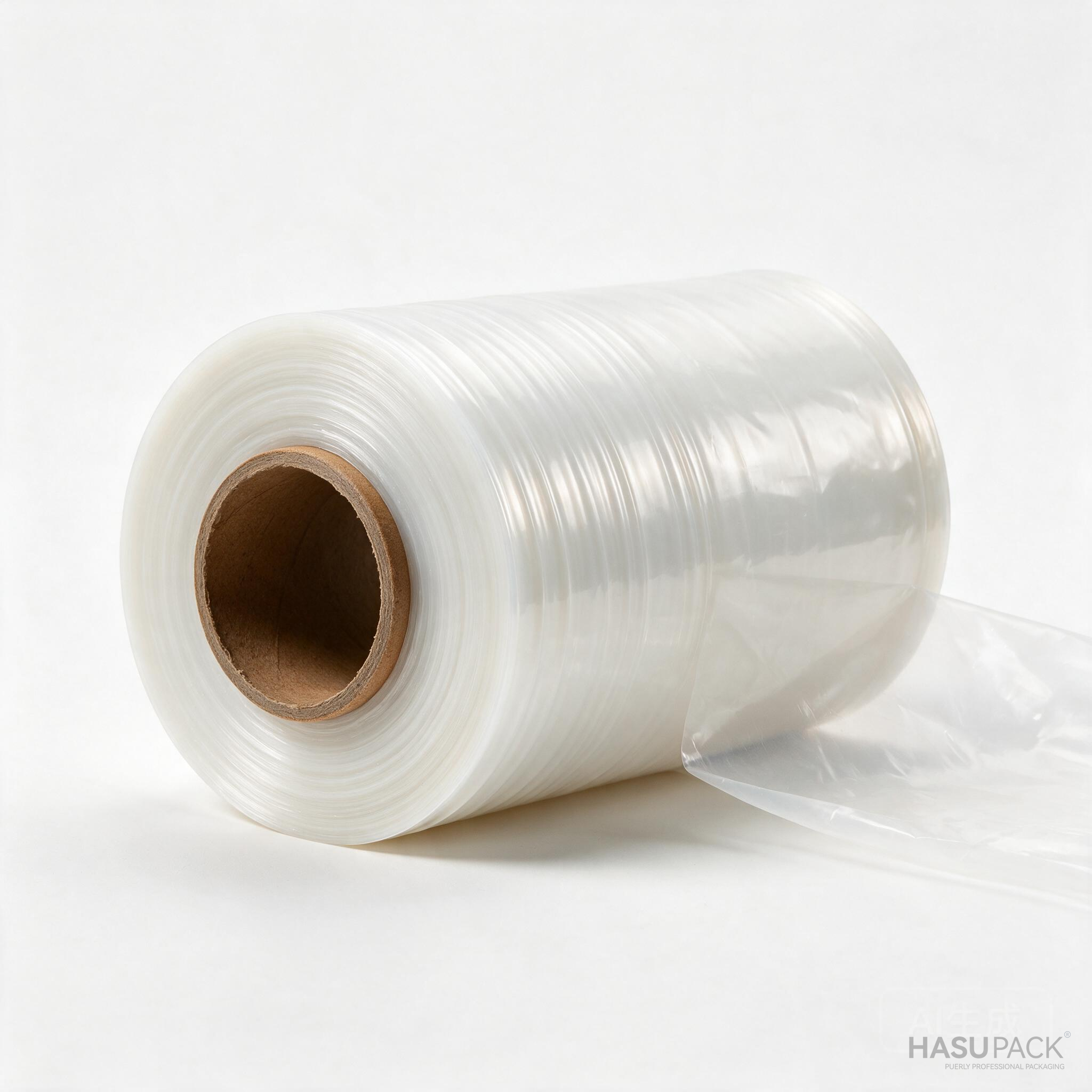
PE bags are the most fundamental and widely used packaging form in the food packaging industry. From thePreservation bag used in supermarkets to the composite packaging inner layers in factories,PE BagWith its excellent performance, it covers various scenarios from daily use to industrial applications. This article will systematically interpret the types, characteristics, and practical applications of PE bags in food packaging, starting from the molecular structure of polyethylene, helping you fully understand this versatile packaging material.
I. Foundation of PE Bags: Molecular Structure and Classification of Polyethylene
Polyethylene (PE), also known as polyethylene, is a thermoplastic resin produced by polymerizing ethylene monomers. Based on differences in the degree of branching of the molecular chain and density, PE bags are mainly divided into the following three categories:
(1) Low Density Polyethylene (LDPE)High branching degree of the molecular chain, density 0.915-0.935 g/cm³. LDPE is soft and has good transparency, making it the main raw material for food wrap and shopping bags. LDPE bags have a soft feel and are easy to heat-seal, but they have relatively low mechanical strength, making them suitable for packaging light-weight products.
(2) High-Density Polyethylene (HDPE)Low branching degree, density 0.941-0.967 g/cm³. HDPE is hard, strong, and chemically resistant, making it the primary material for laundry detergent bottles and milk jug packaging. HDPE bags are commonly used as supermarket shopping bags and outer packaging for frozen food, offering strong load-bearing capacity but poor transparency.
(3) Linear Low Density Polyethylene (LLDPE)The molecular chain has a linear structure with short branches, and its density is between LDPE and HDPE. LLDPE combines flexibility and strength with excellent elongation properties, making it the most widely used PE material in composite flexible packaging currently. ManyFood Packaging Composite FilmThe heat-seal layers are all made of LLDPE, which offers excellent low-temperature heat-sealing performance and strong heat-seal strength.
Understanding these three basic types is the first step in correctly selecting PE bags. Different application scenarios have varying requirements for the flexibility, strength, transparency, and heat-sealing performance of PE bags. Choosing the right material reasonably can significantly enhance packaging effectiveness and reduce costs.
II. Core Applications of PE Bags in Food Packaging
The application of PE bags in the food packaging industry is so extensive that it exceeds the imagination of most people. Here are several common application scenarios:
1. Fresh Food PackagingFresh produce, meat, aquatic products and other perishable goods are widely packaged with PEPreservation bags. LDPE film has good breathability and moisture permeability, which can maintain food freshness while preventing condensation. The tray plus PE film covering packaging in the supermarket refrigerated meat display cases is a typical application of LDPE.
2. Frozen Food PackagingFrozen dumplings, frozen vegetables, ice cream and other foods that require storage below -18℃ typically use HDPE or LLDPE materials for their outer packaging bags. PE maintains good flexibility even at low temperatures, preventing brittleness and cracking, while also offering excellent moisture barrier properties to prevent moisture loss and drying in frozen foods.
3. Heat-seal Layer of Composite Packaging Inner LayerThis is a PE bagFlexible PackagingOne of the most critical applications. The inner layer of most composite packaging bags (such as three-side sealed bags and stand-up pouches) is PE film. As the heat-sealing layer, PE determines the sealing strength and reliability of the packaging bag. For example, the inner layer of commonly used potato chip bags, coffee bags, and seasoning bags is almost always made of PE material.
4. Drying goods packaging (such as rice, flour, etc.)Most household rice bags are made of single-layer or composite PE films. PE offers good moisture resistance and sufficient strength, meeting the requirements for loading and storing rice ranging from 5kg to 25kg.
Huashu Packaging has 15 years of experience in PE film production, offering customized PE bag solutions ranging from LDPE to LLDPE. Contact our technical team for professional material selection advice.
III. Safety of PE Bags: Is Food Grade PE Really Safe?
Concerning the safety of PE bags, there are many misconceptions in the market. In reality, polyethylene is recognized as one of the safest materials for food packaging, mainly due to the following three reasons:
First, the chemical inertness of PEPolyethylene has a stable molecular structure and does not chemically react with water, oils, acids, or alkalis under normal temperatures. This means that PE bags do not release harmful substances into food, and do not alter the taste or composition of the food.
Second, no phthalate riskUnlike PVC, PE does not require the addition of phthalates during the production process.PlasticizerThe issue of plasticizer migration, which has attracted significant public attention in recent years, is virtually nonexistent in PE bags. This is also the main reason why PE is widely used in food contact materials.
Third, it meets food-grade standardsFood-grade PE bags must comply with the GB 4806 series national standards and the GB 9685 standards for food contact materials. PE bags produced by reputable manufacturers strictly control raw material selection, production processes, and residual solvent levels. When purchasing, ensure to check for the “Food Contact Use” label and the manufacturer’s information to guarantee safe usage.
It is worth noting that although PE bags are safe, they are not recommended for use in microwave ovens (the heat resistance temperature of ordinary PE is approximately 80-110℃). For heating food, it is recommended to choose specialized packaging bags labeled as microwave-safe.
Four. Environmental Friendliness and Sustainable Development of PE Bags
In the context of global plastic restrictions, the environmental issues of PE bags have attracted significant attention. Objectively speaking, PE bags have the following key characteristics in terms of environmental protection:
RecyclabilityPE is a thermoplastic material that can be repeatedly melted and reformed. PE bags, especially HDPE and LDPE, are among the most mature categories in the current recycling system. The recycling technology for PE films is highly developed. After cleaning, shredding, and pelletizing, they can be used to manufacture garbage bags, pipes, and wood-plastic composites.
Single Material TrendTraditional composite packaging is difficult to recycle due to its multi-layer structure composed of different materials (such as PET/AL/PE).Single-material PE packaging(Full PE Structure) is becoming an industry trend, retaining the excellent performance of PE bags while significantly improving recyclability. Many brands have already started switching from multi-layer composite packaging to full PE structure.
Thinning TechnologyImproving the formula and processing technology of PE enables the reduction of film thickness without compromising mechanical properties, which is a key direction for carbon reduction in PE bags. Taking supermarket shopping bags as an example, the film thickness has been reduced from 40μm to 20μm or even thinner, resulting in a reduction of plastic usage by more than 50%.
V. Customization and Purchase Recommendations for PE Bags
If you are choosing PE packaging bags for your product, the following points are worth paying attention to:
1. Define the usage scenarioStorage at room temperature, frozen refrigeration, or high-temperature steaming? Different scenarios require different types of PE. For example, products requiring freezing should use LLDPE or specific PE films with better low-temperature resistance.
2. Pay Attention to Sealing PerformanceThe sealing reliability of PE bags directly affects the preservation effect of the packaging and transportation safety. The heat-sealing strength of high-quality PE bags should reach over 15N/15mm, with a wide heat-sealing temperature range to meet the requirements of high-speed automatic packaging machines.
3. Choosing a Reliable Supplier:Custom Packaging Bag ManufacturerOur strength is reflected in three aspects: equipment level, raw material control, and quality inspection system. We recommend visiting for on-site inspection or requesting samples for performance testing.
4. Consider environmental factorsIf environmental requirements are a concern, prefer a recyclable single-material PE structure or use PE film containing PCR recycled content (ensure it meets food contact requirements).
Huashu Packaging provides a one-stop PE bag solution from raw material selection, formula design to finished product delivery. Our professional team offers free packaging requirement assessment and recommends the optimal solution for you.
PE BagAlthough seemingly simple, PE materials play an irreplaceable role in food packaging. From the basic polyethylene molecular structure to complex multi-layer composite applications, the potential of PE materials has far from been fully explored. Understanding the characteristics of PE bags is essential for making more informed packaging material choices. For further information on the technical specifications and customization options of PE bags, please visit the Huashu Packaging official website or contact our technical team directly.