Packaging Knowledge

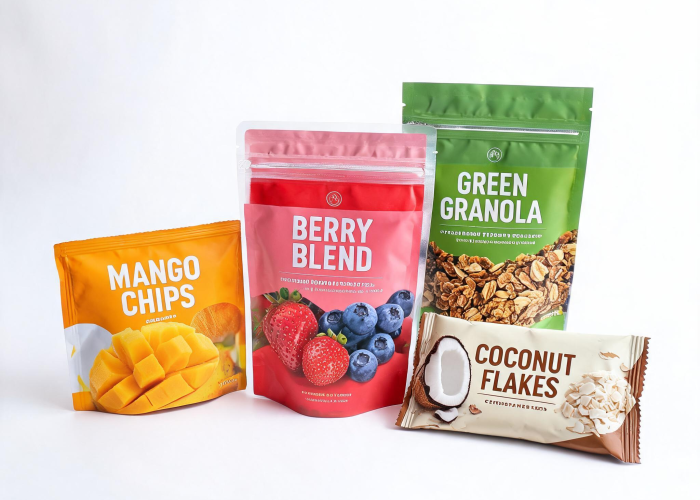
Snack Bag Design: Differences Between Potato Chip, Nut, and Cookie Packaging

Snack Bag Design: What Makes Potato Chip, Nuts, and Cookies Packaging Different Snack bags may look similar at first glance, but the packaging requirements for potato chips, nuts, and cookies are quite different. Fried snacks are prone to breakage and moisture absorption, nuts are susceptible to oxidation and spoilage, and cookies can become soft and moist. Each product requires different material structures, bag shapes, and production processes. This article discusses the key points of snack bag design from the perspective…

Full Custom Soft Packaging Process: 12 Key Stages from Inquiry to Delivery

Soft Packaging Customization Full Process: 12 Key Milestones from Inquiry to Delivery Soft packaging customization is a common method for purchasing packaging in industries such as food, daily chemicals, and pet food. However, the process from inquiry to delivery often involves dozens of steps, and any mistake in any step can affect delivery time and product quality. This article, from the perspective of a factory, breaks down the entire soft packaging customization process into 12 key milestones, helping you have…

FDA Certification Complete Guide: What You Need to Know About Exporting Food Packaging to the United States

Exporting food packaging to the United States almost inevitably involves the term FDA certification. Many domestic flexible packaging factories, when they first receive orders from the U.S., often ask how to handle FDA certification. However, the regulatory logic of FDA for food contact materials is not entirely the same as the GB 4806 system in China. FDA does not directly issue certifications, but instead manages material compliance through a list of regulations and food contact notifications (FCN). Understanding this system…

How to Choose Tea Packaging Bags? Differences and Key Points in Packaging for Green Tea, Black Tea, and Pu’er Tea

How to Choose the Right Tea Packaging Bag? Differences and Key Points in Packaging for Green Tea, Black Tea, and Pu'erh Tea Tea is a highly delicate product: it is afraid of light, moisture, oxygen, and odors. The tea packaging bag is the first line of defense in preserving the quality of tea. Different types of tea have varying packaging requirements—green tea is sensitive to oxidation and needs light protection, black tea is prone to moisture and requires moisture-proofing, while…

Where Do Plasticizers Come From? A Comprehensive Analysis of Plasticizer Defense in Flexible Packaging Factories

Where do phthalates come from? A Comprehensive Analysis of Phthalate Control in Flexible Packaging Factories When it comes to food packaging, many consumers' first concern is: could there be phthalates in the packaging bags? As a factory with years of experience in the flexible packaging industry, we receive similar inquiries almost every day. Where exactly do phthalates come from? Can they really migrate from the packaging into food? How do factories control phthalates? In this article, from the perspective of…

Is It Safe to Heat Plastic in a Microwave? Test Results of 5 Materials Reveal the Truth

Is It Safe to Heat Plastic in a Microwave? Test Results of 5 Common Materials Reveal the Truth

High Temperature Sterilization Bag Complete Guide: Why It Can Withstand 121°C High Temperature Sterilization

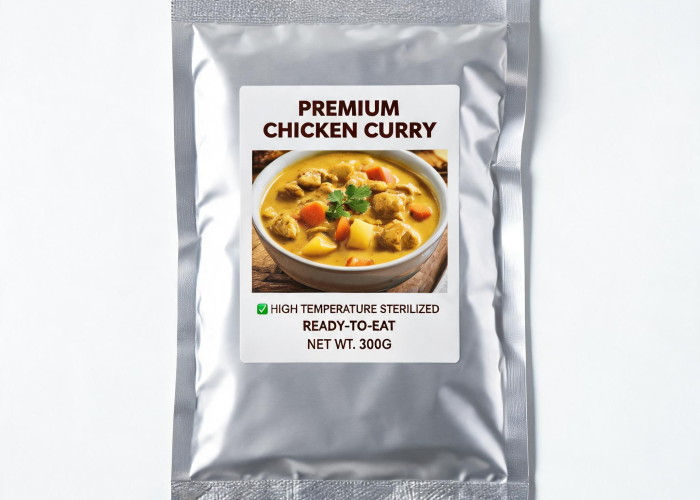
High Temperature Sterilization Bag Complete Guide: Why It Can Withstand 121°C High Temperature Sterilization High temperature sterilization bags are one of the most widely used high-temperature sterilization packaging materials in the food industry. From preserved meat products, ready-to-eat dishes to wet pet food, these flexible packaging materials are essential for achieving sterilization at temperatures as high as 121°C or even 135°C. Many customers often ask during selection: ordinary plastic bags would deform and melt when put into a high-temperature pot,…

What costs are included in custom packaging? A hidden cost list compiled by the factory

What Costs Are Included in Custom Packaging? A Hidden Cost List from the Factory

Full Interpretation of the GB 4806 Series Standards: Essential National Standards for Food Contact Materials

What is the GB 4806 series standard The GB 4806 series standard is a mandatory national standard system for food contact materials and products in China, and it represents the essential safety requirements that the food packaging industry must comply with. This series of standards covers the entire supply chain from raw materials to finished products, specifying the safety requirements and testing methods for food contact materials. As a packaging procurement officer or quality manager in the food industry, a…