

Packaging Knowledge

How to assess the quality level of a packaging factory? Factory inspection checklist

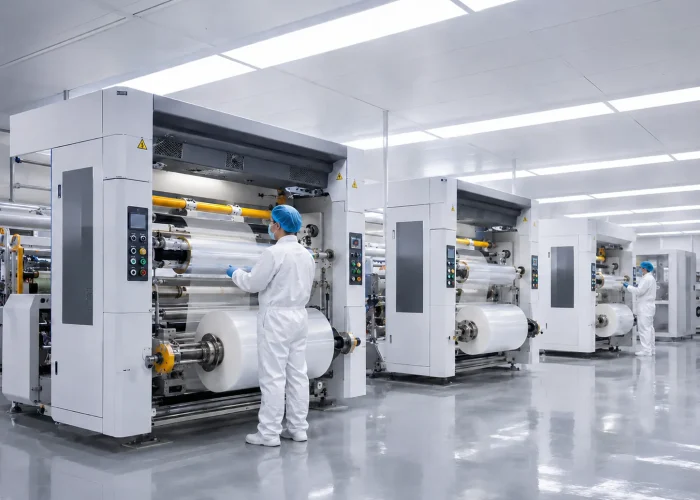
How to Assess the Quality Level of a Packaging Factory? Factory Inspection Checklist When purchasing packaging bags, many buyers judge a factory's quality based on only two criteria: price and sample appearance. However, when mass production begins, various issues such as color differences, leakage, uneven thickness, and delayed delivery arise, revealing that the wrong factory was chosen. How can you assess the quality level of a packaging factory? Simply looking at samples is not enough. The most reliable method is…

BRC Packaging Certification Explained: Why Big Brands Require Suppliers to Have BRC

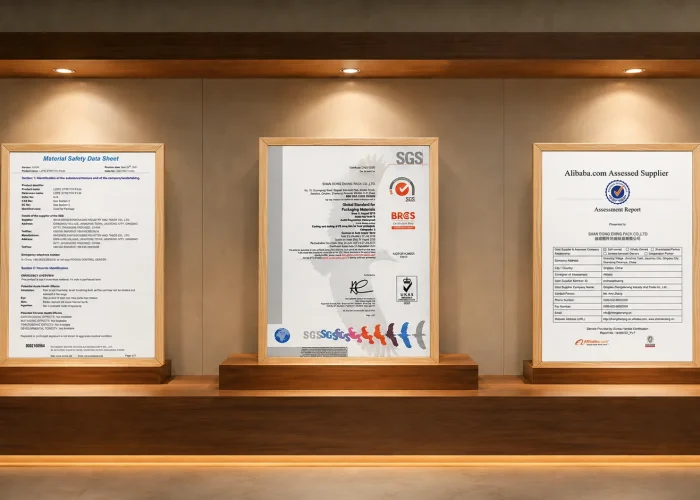
BRC Packaging Certification Explained: Why Big Brands Require Suppliers to Have BRC People involved in the food packaging business have almost all encountered this scenario: when a client sends out a supplier audit checklist, the first item is whether the supplier has BRC packaging certification. Without this certificate, even the quotation stage is inaccessible. What exactly is BRC packaging certification? What preparations are needed for a factory to obtain it? This article, from the perspective of a factory practitioner, clearly…

Why are the quotations from the same packaging bag manufacturer so different?

Why Do Quotes from the Same Packaging Bag Manufacturer Vary So Much? When purchasing packaging bags, many customers face the same confusion: holding almost identical specifications and asking three manufacturers for quotes, the prices can differ by 30% or even double. Why do quotes for the same packaging bag vary so much? As a flexible packaging factory, we want to say that the differences in quotes are often not just tricks, but real differences in materials, processes, minimum order quantities,…

Why is light-proof packaging important? How much damage can ultraviolet light cause to food?

Why is light-blocking packaging important? How much damage does UV light cause to food Many food companies focus on sealing and moisture protection when designing packaging, often overlooking light as a hidden threat. Light-blocking packaging bags are specifically designed to address this issue: they use structures such as aluminum foil, metallized layers, or light-blocking inks to block UV light from reaching the contents, protecting the color, aroma, taste, and nutritional value of the product. This article explains from a factory…

Composite Packaging Process Explained: Why Use Composite? What Does Each Layer Do

Composite Packaging Process Explained: Why Composite? What Each Layer Does Composite packaging is one of the most core processes in the flexible packaging industry. Potato chip bags, coffee bags, and sterilized bags on supermarket shelves are almost all made by bonding two or more layers of film together through the composite process. Many people wonder: why not just use a single thick plastic layer? Why go through the trouble of multi-layer composites? This article will explain the principles of composite…

How to Save Costs on Packaging Printing? 5 Cost-Saving Methods That Don’t Affect Quality

How to Save Costs on Packaging Printing? 5 Cost-Saving Methods That Don't Affect Quality How to save costs on packaging printing is a question every packaging buyer must face. In the field of flexible packaging, the printing process typically accounts for 20% to 35% of the total packaging cost. Expenses such as plate fees, ink, electricity, labor, and waste—all add up to significant costs. As a flexible packaging factory with years of production experience, we help our customers calculate these…

GB 9685 Food Contact Materials Standard: A Detailed Guide to Factory Compliance and Practical Operations

GB 9685 Food Contact Materials Standard: A Detailed Guide for Factory Compliance Implementation

High Barrier Packaging Materials Explained: What Products Require High Barrier Protection

High Barrier Packaging Materials Explained: What Products Need High Barrier Properties The same type of flexible packaging bag can keep food crispy for three months, while another may become damp and spoiled within two weeks—the difference often lies in the barrier properties of the packaging. High barrier packaging materials are a core technology for extending the shelf life of food, but high barrier properties are not necessarily better when they are more expensive. Choosing the wrong material can lead to…

EVA Packaging Materials: The Undervalued Soft Power

EVA Packaging Materials: The Underrated Soft Power In the fields of food packaging, daily chemical packaging, and industrial packaging, materials such as PE, PP, and PET are always at the center of the conversation, while EVA is often overlooked. In reality, EVA packaging materials play an irreplaceable role in soft packaging composite structures due to their excellent flexibility, low-temperature performance, and heat-sealing properties. This article, from the perspective of a factory, will help you rediscover this underrated packaging material. What…