Packaging Knowledge

Decision Tree for Choosing Packaging Printing Processes: One Chart Helps You Select the Right Process

Many brand owners often get stuck when they first start packaging, especially with printing techniques like gravure, flexography, and digital printing. What's the difference between them? Actually, you don't need to memorize technical parameters. By following a clear decision chain for packaging printing processes, most orders can be finalized within ten minutes. This article organizes the common judgment sequence used in factories into a decision tree, narrowing down layer by layer from quantity, color, material to overall cost. First layer:…
High Moisture Pet Soft Treat Packaging: Ask These Questions Before Choosing Materials

Soft pet treats have been growing rapidly in recent years: meat paste strips, wet food strips, high moisture content [...]

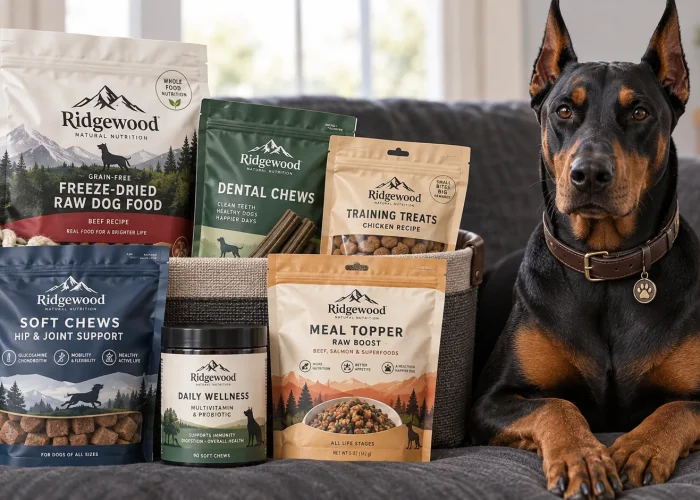
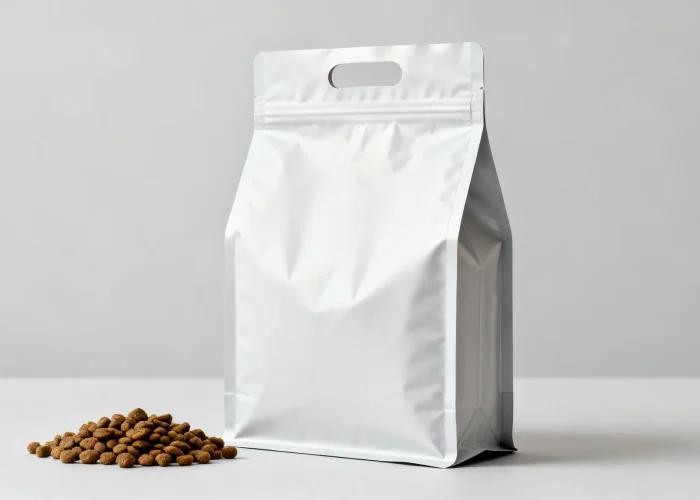
Pet Food Packaging Bag Selection: From Specifications, Stacking to Post-Opening Usage Experience

Complaints about pet food packaging are rarely focused on the material.

Manufacturability Review of Packaging Design: A Checklist for Implementation from the Factory Engineer’s Perspective

Many packaging projects discover issues only on the mass production line: the narrow edge seal in the design is impossible to press on the bagging machine, the irregular shape causes material waste 30% higher than the budget, or the gold stamping position exactly falls on the folded edge. Most of these reworks are not due to aesthetic disagreements, but rather a lack of a manufacturability review in packaging design. It refers to having factory engineers review the design draft item…

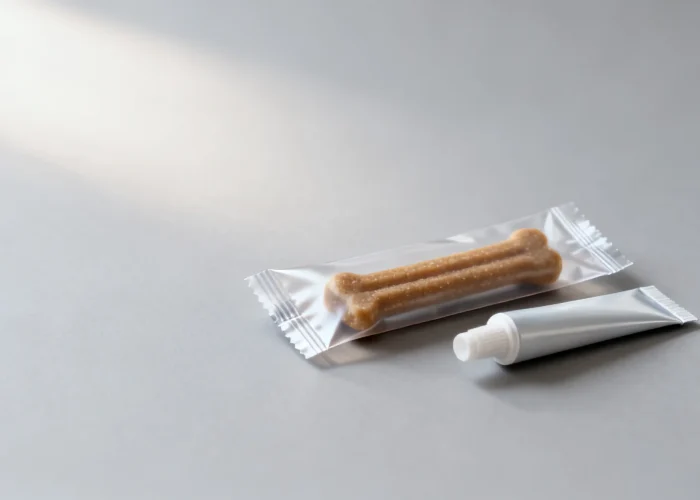
Pet Dental Chews and Meat Jerky Packaging: Why Puncture Resistance Can’t Be Judged Only by Bag Thickness

Molar sticks and dried meat can cause issues such as sharp edges, friction, oil stains, and material sticking in packaging. It's difficult to judge the actual performance based solely on total thickness.

How to Choose Between Frozen Food Packaging and Ambient Food Packaging: A Full Analysis of Materials, Structure, and Shelf Life Differences

Freezing food packaging and ambient temperature food packaging both appear as flexible packaging bags, but their selection logic is completely different. We often encounter customers using the structure of an ambient snack bag for frozen dumplings. The sample works fine at room temperature, but after one month in a cold storage warehouse, the sealing edges crack, the bag becomes brittle, and leakage occurs after thawing. The problem is not with the printing; it lies in the fact that material, structure,…

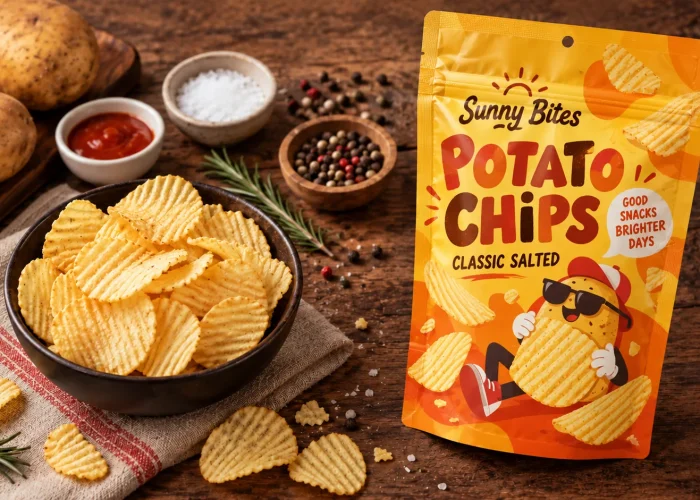
Chip and Expanded Food Packaging Solutions: How to Balance Moisture Protection, Inflation Protection, and Sealing Stability

From the perspectives of crispness, oil oxidation, air cushioning, roll film loading, and sealing test, analyze the selection logic for packaging of potato chips and expanded food products.

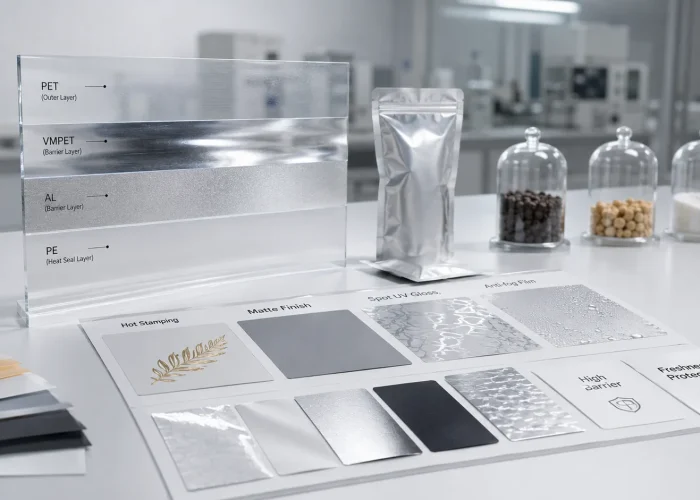
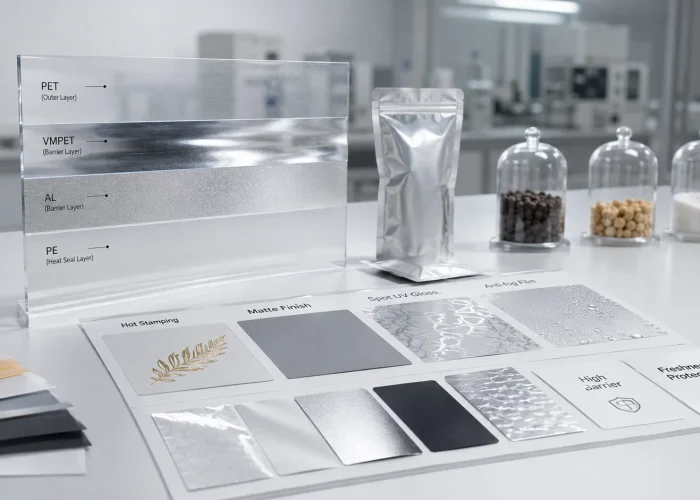
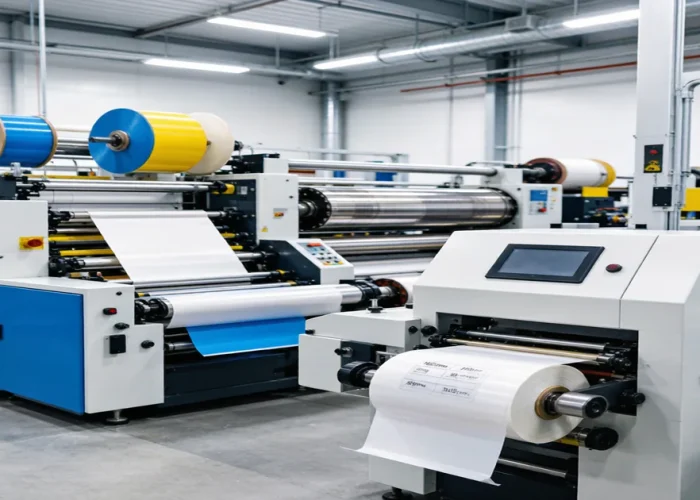
Multi-layer composite packaging bags consist of several layers, each serving a specific function. The typical structure includes an inner layer, a middle layer, and an outer layer. The inner layer is usually made of materials such as polyethylene (PE) or polypropylene (PP), providing a barrier against moisture and ensuring product safety. The middle layer is often composed of materials like aluminum foil or polyester, offering excellent barrier properties against light, oxygen, and moisture. The outer layer is typically made of materials such as polyethylene (PE) or polypropylene (PP), providing strength and durability. The factory layout diagram illustrates the production process, including raw material storage, extrusion, lamination, printing, and packaging.

Many customers often ask the same question when they first receive a packaging solution: how many layers does a composite pouch have, and why can't a single layer of plastic film suffice? The answer lies in the product's requirements for barrier properties, strength, heat resistance, and print quality. A single layer of film is difficult to meet all these conditions simultaneously. Therefore, factories combine two to five layers of complementary materials using adhesive or resin to create a composite film…

What Are Common Packaging Design Mistakes? 10 Design Failures from a Factory Perspective

Common packaging design errors are often not detected during design reviews but instead surface during plate making, printing, or after shelving, leading to rework, delays, and waste. This article, from the perspective of a flexible packaging factory, outlines ten common design issues, explaining why they occur, at which stage they fail, and what brand owners and designers can check before finalizing file delivery. Why packaging design errors often surface during mass production The visual effects created in design software cannot…