Company News

Common Pitfalls in Packaging Procurement: Top 5 Case Studies of Customer Losses and Avoidance Strategies

Common pitfalls in packaging procurement are far more numerous than people imagine. Many procurement managers, when ordering custom packaging for the first time, focus only on whether the unit price is cheap enough. However, they end up falling into traps related to minimum order quantity, material quality, delivery time, and contract terms. The consequences can range from spending several tens of thousands of unnecessary dollars to the entire batch of goods being scrapped and delaying the launch of new products.…


Is Paper-Plastic Composite Packaging Environmentally Friendly? A Comprehensive Analysis of Its Advantages and Limitations

Paper-plastic composite packaging is a material that has been widely discussed in the packaging industry in recent years: it looks like paper, feels like paper, and its promotional messages are full of "eco-friendly and recyclable." But is it really eco-friendly? This article analyzes the advantages and limitations of paper-plastic composite packaging from three aspects: structure, manufacturing process, and current recycling status, helping brand owners make rational judgments. One: What is paper-plastic composite packaging? Paper-plastic composite packaging is a packaging material…

The difference between recyclable packaging and biodegradable packaging: 90% of people get it wrong

Many companies face confusion when choosing eco-friendly packaging: what's the difference between recyclable and biodegradable packaging? Both terms sound environmentally friendly, but their material systems, processing methods, and environmental values are entirely different. Confusing them can lead to selecting the wrong packaging solution, or even being accused of fake environmentalism. This article explains the differences between recyclable and biodegradable packaging from four dimensions: definition, materials, end-of-life processing, and environmental value. One is reusable, the other is decomposable. Recyclable packaging refers…

Custom Nozzle Bag Guide: Bag Type, Material, and Process Selection for Sauces, Juices, and Personal Care Liquid Packaging

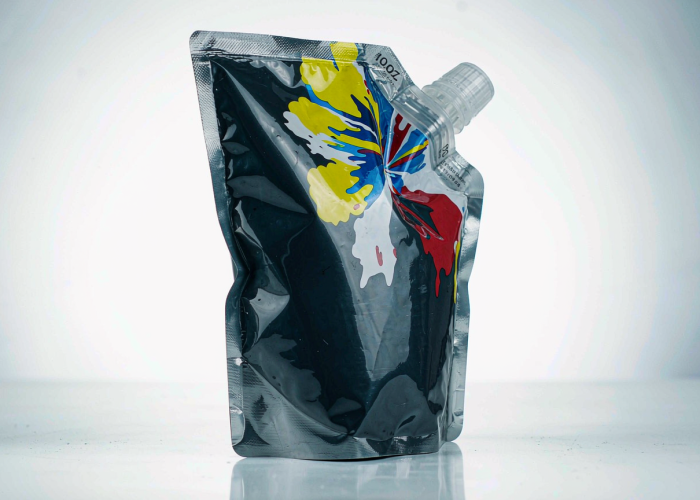
When producing liquid products such as sauces, concentrated juices, and laundry detergents, packaging selection is crucial.

What is a packaging roll film? A comprehensive guide to packaging machinery and materials

Packaging film rolls are an essential yet often overlooked product form in the flexible packaging industry. Unlike finished bags, packaging film rolls are supplied in continuous spools to food factories, where they are processed by automatic packaging machines to complete bag-making, filling, and sealing operations. They serve as the essential raw material for high-volume production lines of instant noodles, biscuits, candies, frozen foods, and more. This article systematically explains the definition, structure, production process, and selection criteria of packaging film…

High-temperature steam sterilization bag material combination: PA/AL/CPP or PET/AL/CPP

The material combination of high-temperature sterilization bags directly determines the shelf life and safety of food after sterilization. Many food enterprises hesitate between two mainstream structures, PA/AL/CPP and PET/AL/CPP, when customizing sterilization bags: the former offers puncture resistance and flexibility, while the latter provides higher stiffness and better printability, with different price points. This article compares the materials from three dimensions: material performance, applicable scenarios, and cost, and provides material selection recommendations for different food categories, offering reference for R&D…

Three-Side Sealed Bag Details: The Most Basic and Cost-Effective Flexible Packaging Bag Type

Three-side sealed bags are one of the most common and cost-effective bag types in the flexible packaging industry. Almost every food factory and snack brand has encountered them. As the name suggests, three-side sealing refers to heat-sealing three sides of the bag, leaving only the top open for filling. After shaping, the top is then sealed. Although its structure appears simple, three-side sealed bags are widely used in various fields such as daily snacks, tea, powders, and hardware components. This…

Difference Between PA and PE: Why PA+PE Combination is Used for High-Temperature Steam Cooking Bags

In the field of flexible packaging, the difference between PA and PE is a fundamental question that procurement and technical staff often need to understand. PA stands for nylon (polyamide), while PE stands for polyethylene. Both are widely used film materials in the food packaging industry, but they have significant performance differences. Many customers ask us: why are high-temperature sterilization bags usually made with a composite of PA and PE, rather than using just one of them? This article will…

How to Choose Between Offset Printing and Flexographic Printing for Packaging? A Comparison of Cost, Quality, and Applicable Scenarios

Offset printing and flexographic printing are the two most widely used techniques in the field of flexible packaging printing. Many brand owners often hesitate when customizing packaging bags: what are the differences between offset and flexographic printing? Which one is cheaper? Which one offers better quality? This article provides a systematic comparison from four dimensions: plate-making cost, print quality, environmental performance, and applicable order volume, helping you make the correct choice of printing process based on product positioning and order…