




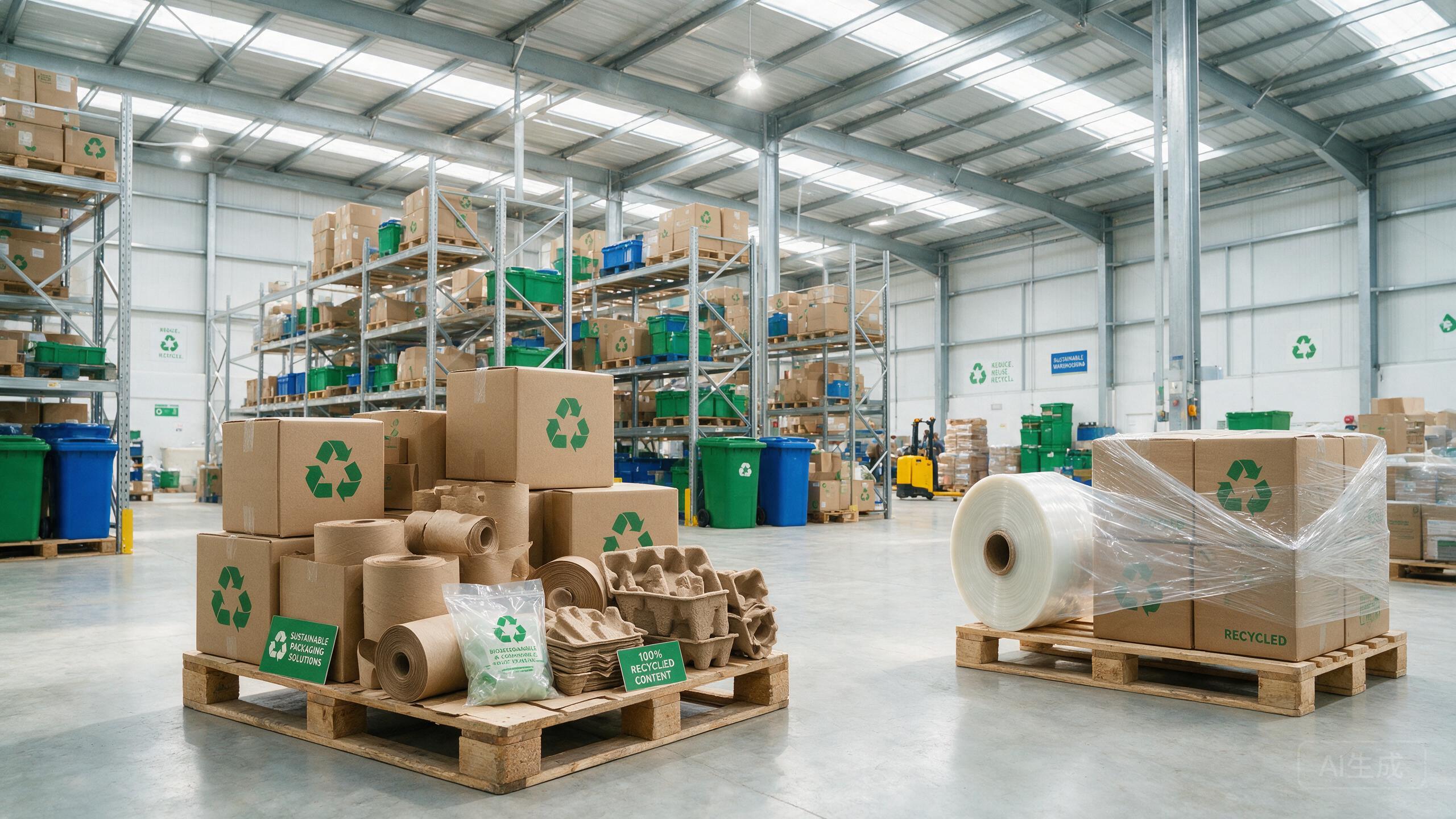
The packaging industry faces a period of intense regulation in 2026.
Since 2026, the State Administration for Market Regulation, the Ministry of Ecology and Environment, and other multiple departments haveDensely issued a series of policies, regulations, and industry standards related to plastic packaging. From the further upgrading of the plastic restriction order to the implementation of the new national standard for food contact materials, these changes will profoundly affect the daily operations of every packaging using enterprise. This article summarizes the most important policy trends in the first half of 2026, continuing…2025 Plastic Packaging Regulations UpdatePolicy tracking helps enterprises prepare for compliance in advance.
Plastic Bag Restriction Policy Upgrade: Which Categories Are Under Control?
In accordance with the supplementary notice issued in March 2026 on the “Opinion on Further Strengthening the Governance of Plastic Pollution,” the following categories of plastic packaging have been included in the new regulatory scope:
- Disposable Plastic TablewareProhibition on the use of non-degradable disposable plastic tableware in catering in-store dining, with the scope expanded from prefecture-level cities to county-level city built-up areas.
- Express Plastic PackagingBy the end of 2026, all express delivery service points nationwide will be prohibited from using non-degradable plastic packaging bags, plastic tapes, and disposable plastic woven bags.
- Hotel Plastic Mini BottleHotels are prohibited from proactively providing single-use plastic toiletry items, with small-capacity plastic packaging bottles becoming a key target for regulation.
- Continuous Roll Bag and Food Wrap FilmSupermarket continuous roll bags are required to use biodegradable materials, and foodFood Preservation Film needs to indicate the material and recycling classification label.
For food packaging companies, the most direct impact is the significantly increased compliance pressure on express delivery outer packaging and fresh produce delivery packaging. Adopting packaging solutions with biodegradable materials or single-material recyclable structures has become an inevitable trend driven by policy requirements.
New GB 4806 Series Standards for Food Contact Materials Implemented
In the first half of 2026, the National Health Commission released the new GB 4806 series standards, imposing stricter requirements on the migration levels, use of additives, and labeling of plastic materials and products intended for food contact:
- Tightened migration limitThe migration limit for certain plastic materials has been reduced from 10 mg/dm² to 6 mg/dm².
- New Restricted Substances ListMore detailed regulations have been established for the migration levels of auxiliary materials such as photoinitiators, antioxidants, and plasticizers.
- Mandatory Labeling and MarkingFood-contact plastic packaging must indicate the material type, temperature range, and microwave suitability.
This means food packaging companies need to re-examine their existing raw material supply chains to ensure that suppliers’ auxiliary materials such as films, inks, and adhesives meet the latest standards. Meanwhile, the labeling information on the finished packaging products also needs to be updated accordingly.
Accelerating Green Transformation of Express Packaging
Data from the State Post Bureau shows that the national express delivery volume exceeded 180 billion pieces in 2025, corresponding to over 20 million tons of plastic packaging waste. The “Green Transformation Plan for Express Packaging” implemented in 2026 has set the following timeline:
- By the end of 2026The proportion of e-commerce express packages that do not require secondary packaging has reached over 90%.
- 2027The scale of reusable express packaging application reaches 15 million pieces.
- 2028Recycling rate of plastic packaging waste across the entire industry reaches 70%
For e-commerce and food enterprises, this means they need to prepare from two directions: first, switching the outer packaging of delivery to biodegradable or recyclable materials, and second, considering the design of product packaging to reduce the need for secondary packaging.
Corporate Response Strategy Recommendations
Faced with frequent policy changes, it is recommended that enterprises take the following four aspects into consideration to respond effectively:
- Material ReviewReview the compliance of existing packaging materials against the latest GB 4806 standard, with a focus on migration levels and restricted substance indicators.
- Alternative StockpileConduct early testing of biodegradable materials such as PLA, PBAT, or single-material recyclable structures to avoid being caught off guard when policies are implemented.
- Supplier ManagementRequest the packaging supplier to provide the latest third-party test report to confirm compliance with the new standard requirements.
- Label UpdateUpdate the product packaging material labels, recycling classification, and usage instructions promptly in accordance with the new regulations.
Policy Compliance Starts with Understanding
The policy and regulations in the packaging industry are entering a period of rapid updates. For packaging users, staying informed about policy trends and proactively planning compliance solutions can not only help avoid penalties but also seize opportunities for brand value enhancement through the transition to green packaging.
Need professional packaging compliance consultation or customized packaging solutions meeting the new national standards? WelcomeContact Huashu PackagingOr visit Om Packaging’s official website, where we offer one-stop services from material selection to finished product manufacturing.